Lighting Techniques That Elevate Architectural Renders
Discover lighting techniques for architectural visualization, including day, sunset, and interior mood setups that make renders feel realistic and emotionally engaging.
By Bevel GraphicsPublished
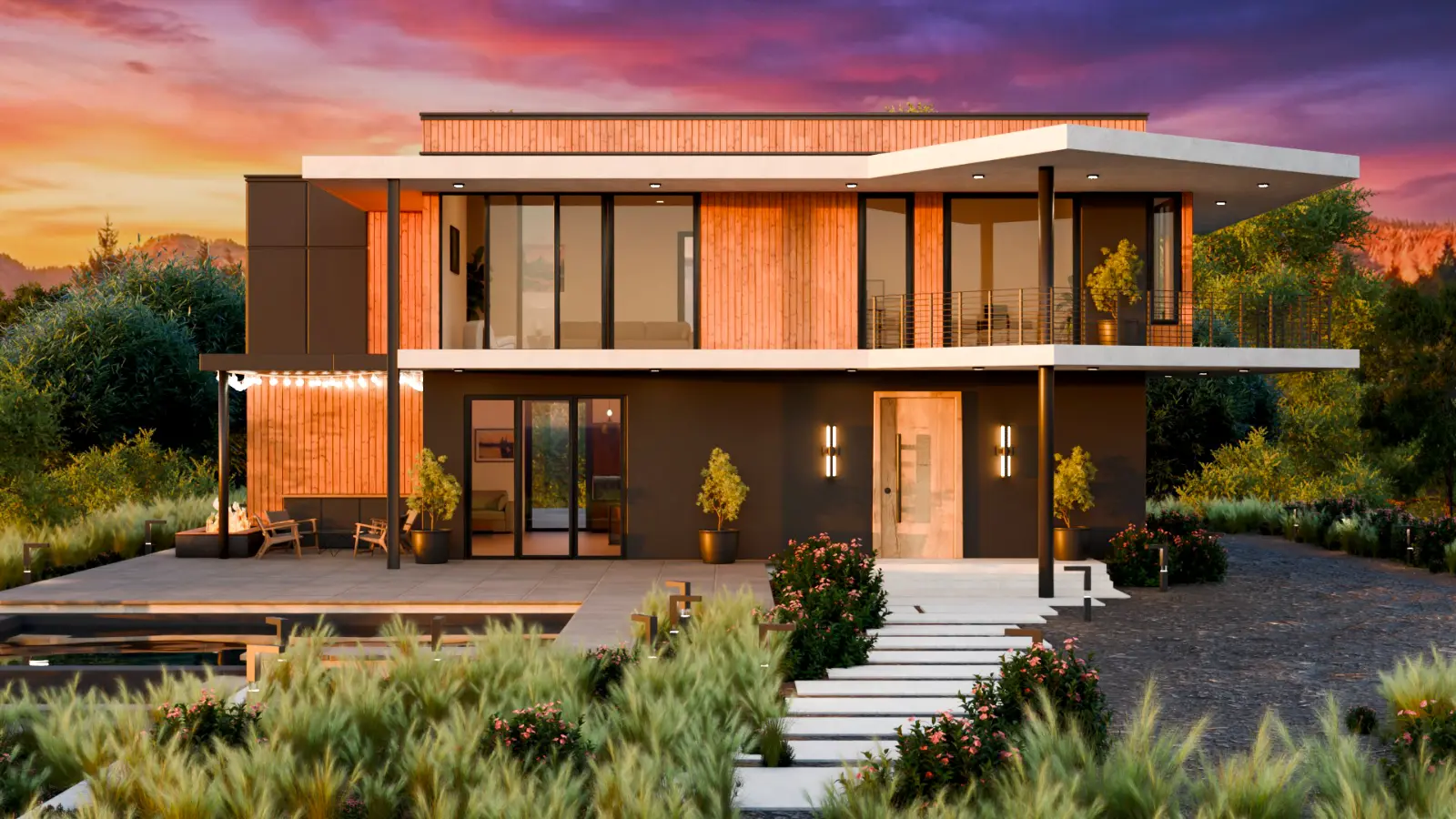
Lighting is perhaps the most important element in architectural visualization. It defines mood, creates depth, highlights features, and ultimately determines whether a render feels like a photograph or a 3D model.
Natural Lighting Considerations
- Geographic location affects sun angle and color
- Time of day dramatically changes mood
- Weather conditions add atmosphere
- Season affects sun path and vegetation
- Window orientation determines light quality
Artificial Lighting in Interiors
Interior spaces require careful balancing of natural and artificial light. The goal is to create a realistic mix that feels natural while highlighting architectural features and creating the desired atmosphere.
Good lighting in a render does what good lighting does in life - it makes you feel something about the space.
Frequently Asked Questions
Should I choose day or night renders?
Consider your marketing needs. Day renders show spaces in their everyday state. Night/evening renders create mood and highlight interior lighting design. Many projects benefit from both.
Can you match a specific time of day?
Yes, given the project location and desired time, I can accurately simulate sun position and light quality for any time of day and year.