How Clay Renders Improve Visual Hooks for 3D Artists
Clay renders help 3D artists create stronger visual hooks by simplifying the scene, highlighting form, showing process, and making reels, portfolio posts, and breakdowns easier to understand quickly.
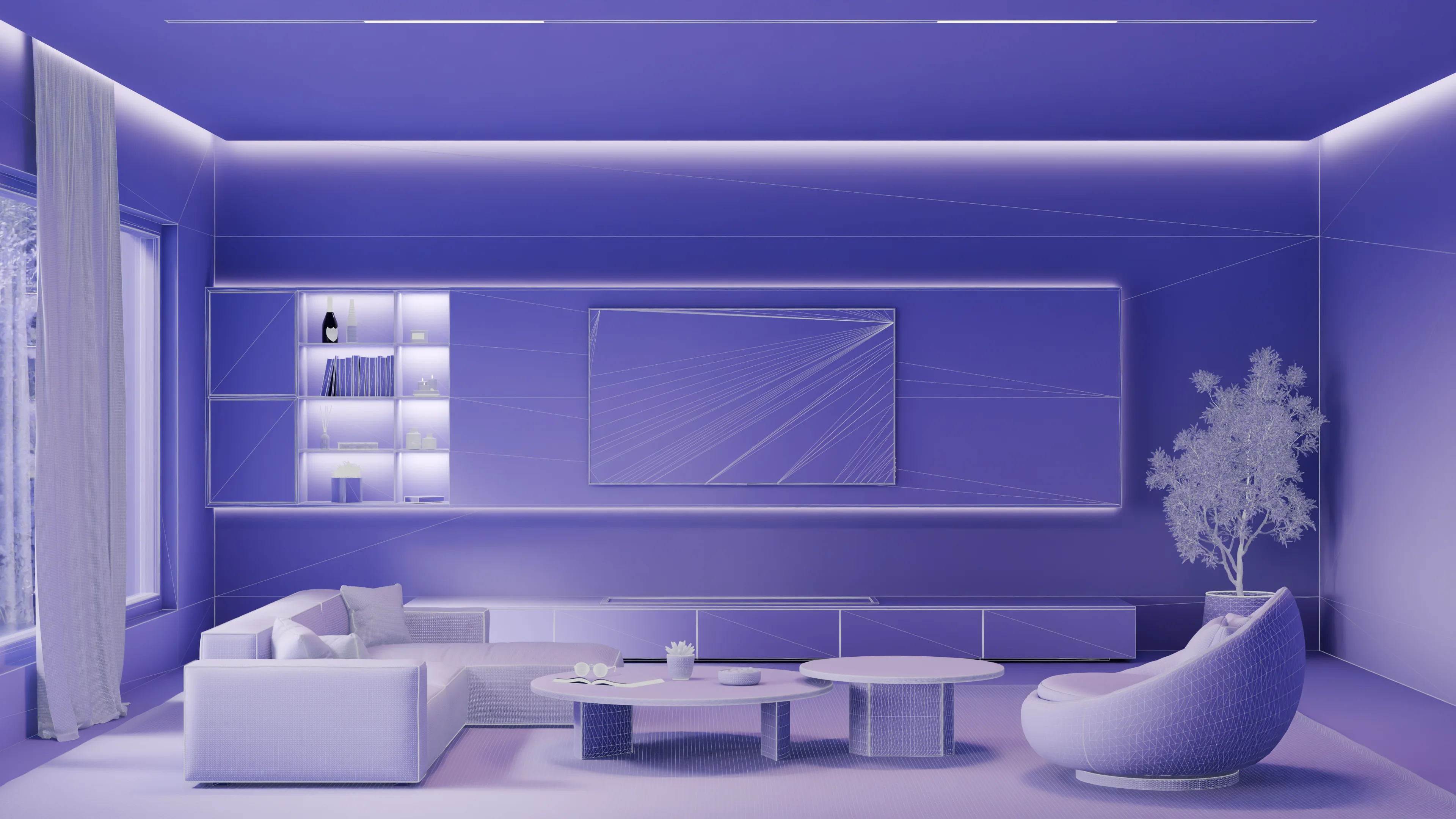
Clay renders are one of the simplest ways for 3D artists to create stronger visual hooks. By removing finished materials, textures, and color noise, a clay render makes the viewer focus on the silhouette, light direction, depth, camera angle, and design of the scene. That clarity is powerful for social media because people understand the image faster.
For Blender artists, archviz creators, product visualizers, and motion designers, clay renders are more than technical previews. They can become reel openers, process breakdowns, portfolio slides, client explanations, and launch visuals that show the craft behind the final image.
Quick Answer: Why Do Clay Renders Work as Visual Hooks?
Clay renders work as visual hooks because they simplify the image while keeping the most important visual information: form, lighting, composition, scale, and motion. A viewer can read the idea almost instantly, which makes clay renders useful for Instagram Reels, TikTok videos, YouTube Shorts, Behance projects, Superhive launches, and 3D portfolio posts.
Clay Renders Make the Scene Easier to Read
A final render can be beautiful but visually busy. Materials, reflections, plants, labels, colors, and small details all compete for attention. A clay render reduces that competition. It gives the eye a clean structure to follow, which is exactly what a visual hook needs in the first seconds of a reel or the first glance at a portfolio thumbnail.
- They reveal the shape of the scene without material distractions
- They make lighting and shadows easier to judge
- They help viewers understand depth, scale, and composition quickly
- They turn technical process into content that feels intentional
- They create strong before-and-after transitions when paired with the final render
Why Clay Breakdowns Help 3D Artists Publish More
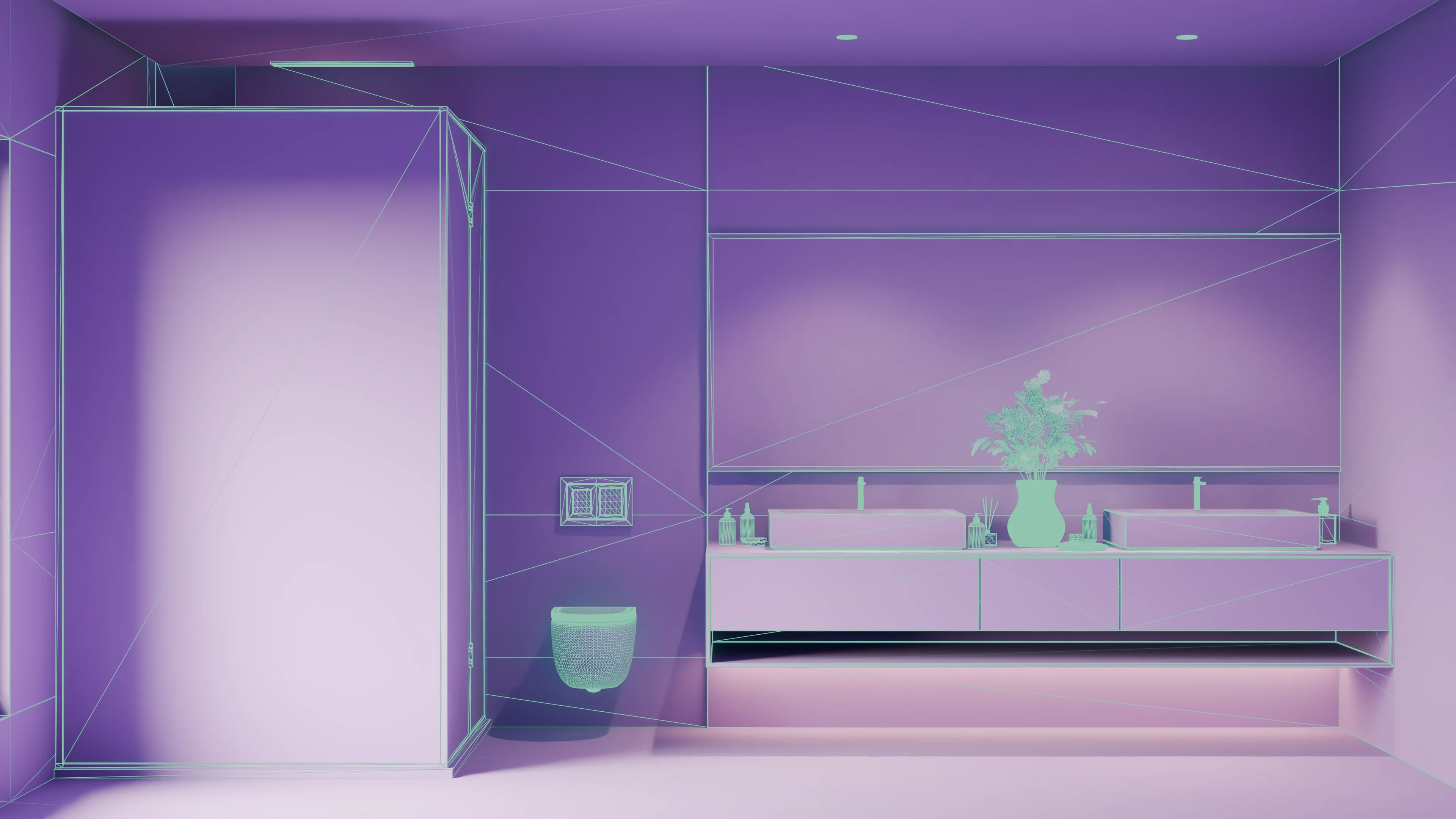
Many 3D artists only post the final render, but the process often contains several extra content pieces. A clay render can become the opening hook, a wireframe or viewport step can become the middle, and the final render can become the payoff. This gives one scene more publishing value without rebuilding the project from scratch.
Best Uses for Clay Renders in 3D Content
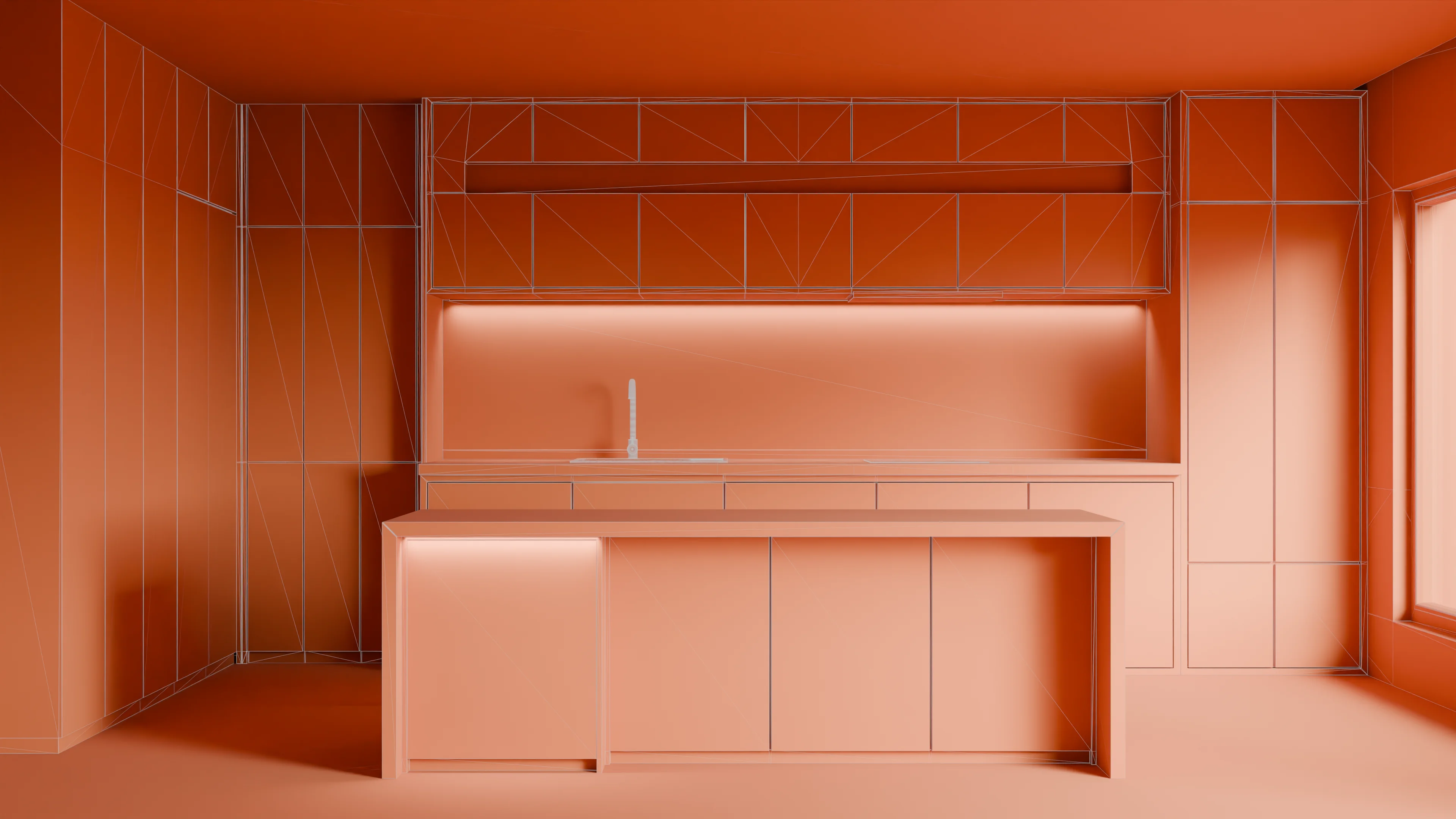
- Opening frames for Instagram Reels, TikTok, and YouTube Shorts
- Before-and-after transitions from clay to final render
- Portfolio breakdowns that show modeling, lighting, and scene structure
- Client updates when the design needs to be reviewed before final materials
- Addon, asset, course, or marketplace launch visuals
- Archviz posts where the artist wants to show form and atmosphere before finishes
Clay Renders Build Trust
A clay render shows that the image is not only decoration. It shows that the model, camera, lighting, and composition are working before the final materials carry the scene. For clients and followers, that can make the work feel more transparent and more professional.
This is especially useful in architectural visualization. When a clay render looks strong, the final render has a better foundation. The viewer can see that the space works structurally before marble, wood, fabric, vegetation, or color grading are added.
How to Make Clay Renders More Effective
- Use one clean material override so the scene feels unified
- Keep shadows visible because they explain form and depth
- Use ambient occlusion or bevels to make edges easier to read
- Choose a camera angle that works even without final materials
- Pair the clay frame with a final render for a stronger reveal
- Use wireframe overlays only when they support the story instead of cluttering it
A good clay render is not just a preview. It is a clean visual hook that helps people understand the 3D work before the final render arrives.